






The Complete Story of His Rise, Reign of Terror, and Shocking Death in 2026
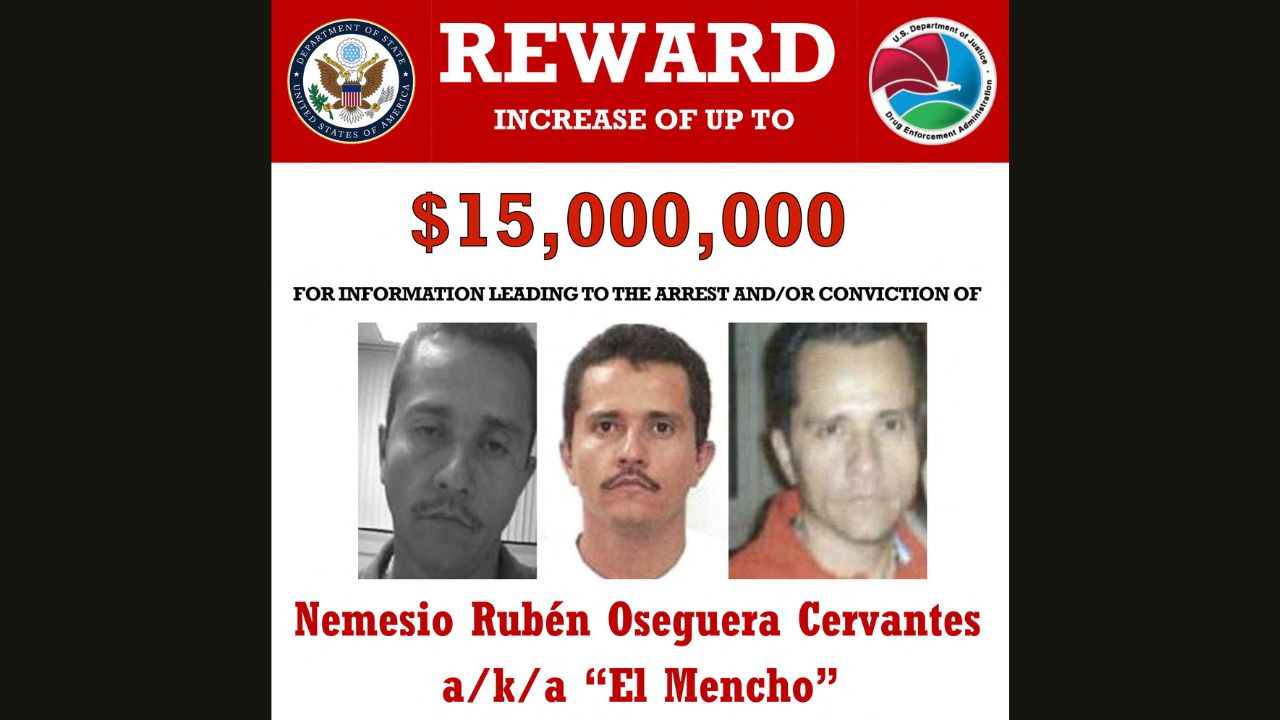
On February 22, 2026, in a remote wooden cabin hidden deep in the mountains outside Tapalpa, Jalisco, the man known as El Mencho finally met his end. Nemesio Rubén Oseguera Cervantes, the 59-year-old leader of the Jalisco New Generation Cartel (CJNG), was tracked through one of his romantic partners by a combination of Mexican special forces and US intelligence. A fierce shootout erupted. El Mencho, along with two bodyguards and several of his elite gunmen, was hit. He was still alive when soldiers rushed him onto a helicopter bound for Mexico City, but he died from his wounds during the flight. The most wanted drug lord on the planet – the one with a $15 million bounty on his head – was gone in a matter of minutes.
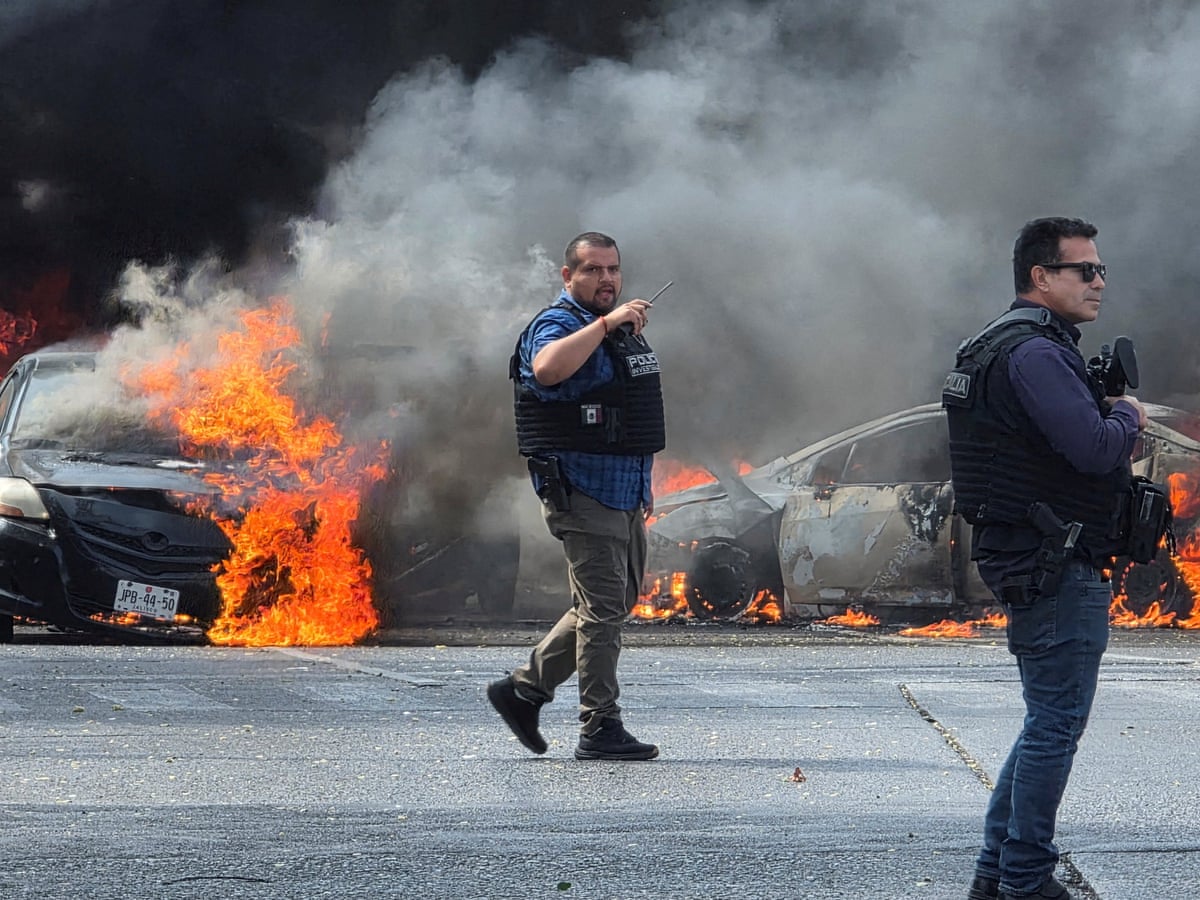
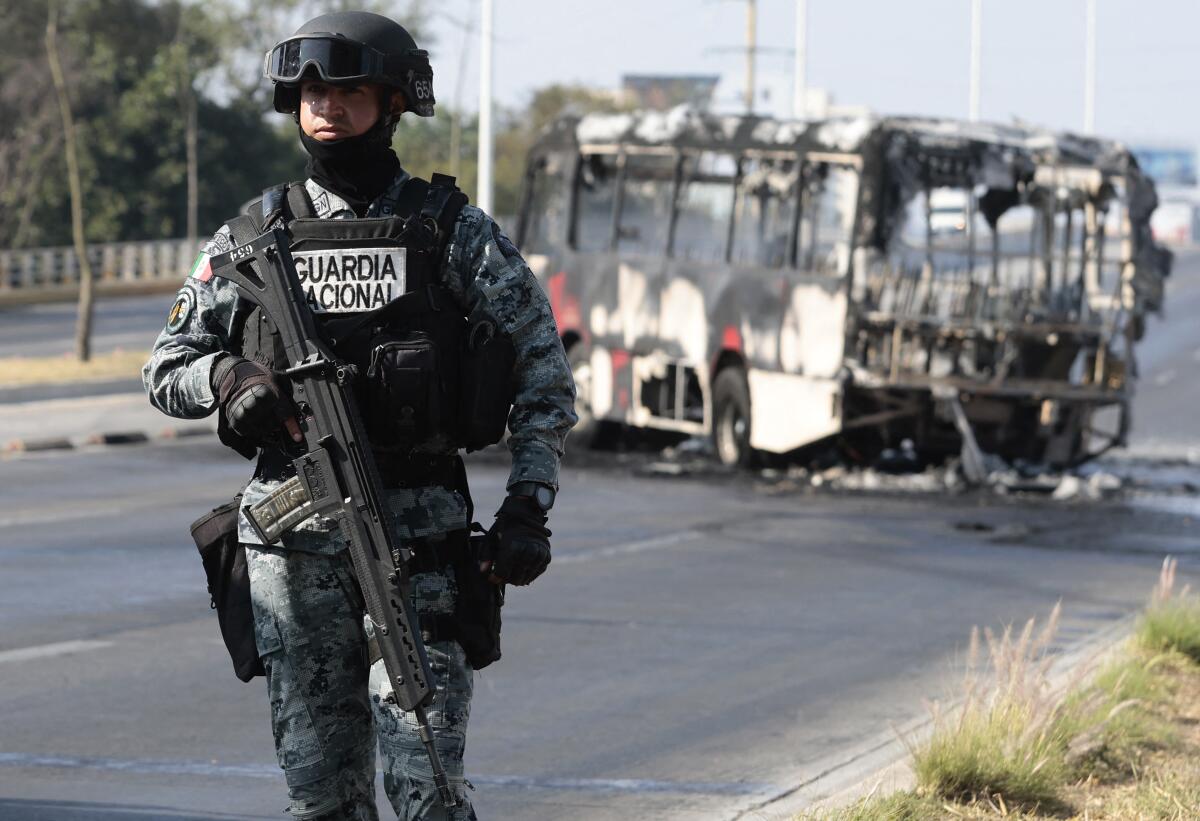
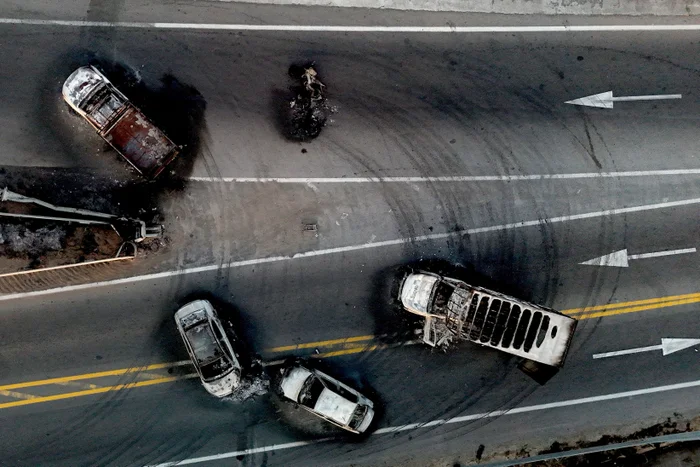
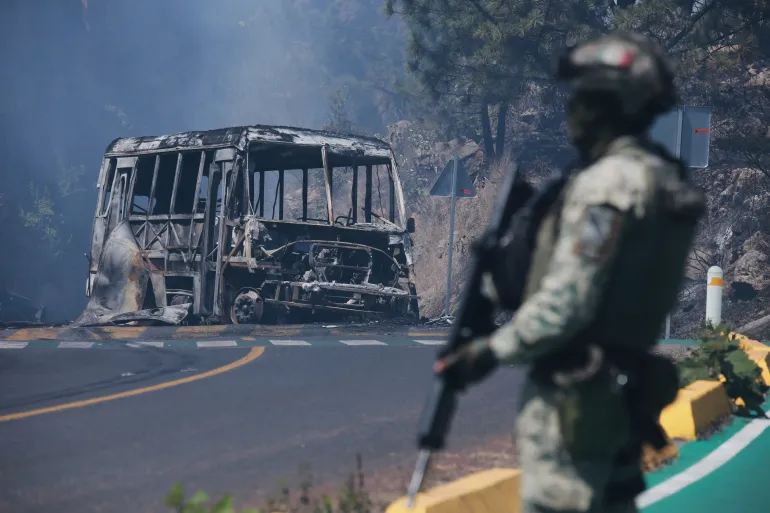
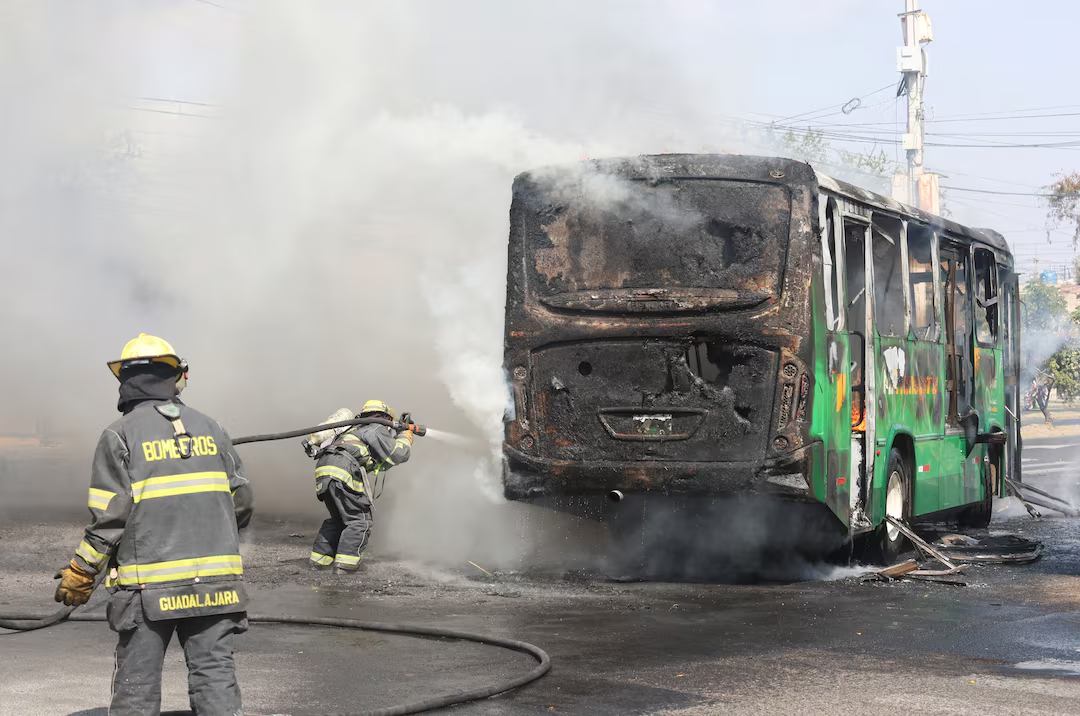
Within hours, Mexico exploded. CJNG fighters unleashed a wave of revenge unlike anything seen before. More than 250 vehicles were torched across a dozen states. Highways were blocked with burning trucks and buses. Airports in Guadalajara and other cities ground to a halt as tourists found themselves trapped. Supermarkets, gas stations, and even entire neighborhoods went up in flames. By February 25, authorities confirmed over 70 deaths – soldiers, police, cartel members, and civilians caught in the crossfire. Roads turned into ghost towns. Fear gripped the country. The man who had built one of the most powerful and ruthless criminal empires in history left behind a nation still burning in his shadow.
But who was El Mencho, really?
How did a fifth-grade dropout from a dirt-poor village become the kingpin who made Pablo Escobar and El Chapo look almost tame by comparison?
It all began in 1966 in the tiny avocado-farming hamlet of Naranjo de Chila, Michoacán. Nemesio Oseguera Cervantes was born into crushing poverty – one of six children in a family that barely survived on the meager wages from avocado fields controlled by local drug mafias. The cartels took most of the profit and left the farmers with almost nothing. School ended for him in the fifth grade. At just 14, he was already working in marijuana plantations for the very same mafias that exploited his family. Even then, a burning ambition consumed him: “I will get rich, no matter what it takes.”
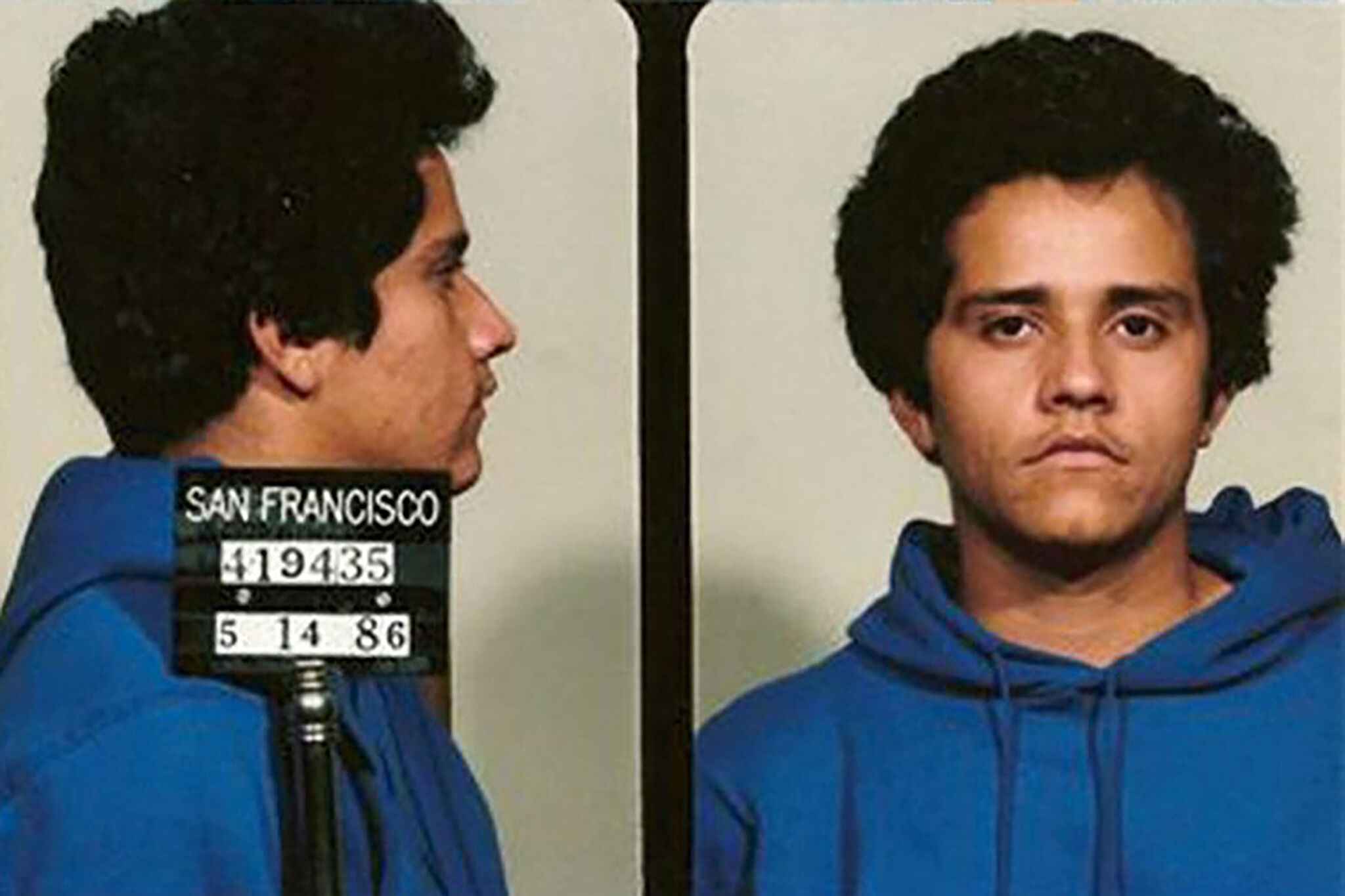
By his late teens, the dreams grew bigger than his village. He crossed illegally into the United States, changed his name multiple times, and plunged into street crime in California. In 1986, San Francisco police arrested him for stealing a pickup truck and carrying a loaded gun. Deported. He came back. In 1989, arrested again for selling drugs. Deported once more. But nothing stopped him.
In 1992 came the moment that showed his cunning. He and his older brother Abraham went to a heroin deal in a San Francisco bar. Everything seemed normal – until El Mencho noticed the buyer’s cash was packed too neatly, too professionally. “These are undercover cops,” he whispered to his brother. He was right. Three weeks later, both were arrested. In court, to save his brother from life in prison, El Mencho confessed everything. He was sentenced to five years but served only three in the Big Spring Correctional Center in West Texas. There, behind bars, he quietly built connections with other young criminals who would later become the backbone of his empire.
Released on parole in 1997, he did something that stunned everyone who knew him. He returned to Mexico and joined the Jalisco State Police. He served as an officer in Cabo Corrientes and Tomatlán. People whispered: how does a convicted drug smuggler suddenly become a cop? The answer was cold and brilliant. He wanted their secrets. He studied police training, raid tactics, counterintelligence, communication systems – everything. Once he had absorbed it all, he quietly resigned and disappeared back into the criminal underworld.
He joined the Millennium Cartel as a hitman and personal bodyguard to its founder, Armando Valencia Cornelio. His police background made him exceptionally effective. Then came a strategic marriage to Rosalinda González Valencia, whose powerful family was deeply embedded in the cartel. When his boss was arrested in 2003 and Los Zetas began dismantling the organization, the Millennium Cartel was forced to become a subsidiary of El Chapo’s Sinaloa Cartel. El Mencho found himself working as a bodyguard for Nacho Coronel. At the time, El Chapo barely noticed the quiet, disciplined enforcer at his side.
The real turning point came in 2010. Nacho Coronel was killed in an army raid. Other top leaders fell. The Millennium Cartel splintered into two factions. El Mencho seized control of one – Los Torcidos – and launched an all-out war. The streets of Jalisco ran red with blood. Murder rates doubled almost overnight. He wiped out or drove away every rival. Then he rebranded his group as the Cartel Jalisco Nueva Generación – CJNG.
From that moment, El Mencho built something terrifying. His fighters wore military-style uniforms and moved in armored convoys that looked like small armies. They carried .50-caliber sniper rifles, RPGs, drones, and even land mines – weapons more advanced than many Mexican police forces. He copied the worst tactics from Los Zetas but made them even more brutal. On September 20, 2011, two trucks filled with 35 tortured bodies were dumped in Veracruz. A clear message: this territory now belongs to CJNG.
He constructed more than 100 secret methamphetamine super-labs hidden in remote jungles, forcing children and women into slave labor. Anyone who refused was executed. He expanded into cocaine, heroin, fentanyl, oil theft, extortion, human trafficking, and migrant smuggling. He placed spies inside police departments and government offices so raids were often leaked before they happened. Violence became his trademark. In 2015 alone, his men ambushed a police convoy and killed 15 officers. They shot down an army helicopter with an RPG, killing six soldiers. They burned 36 vehicles and multiple gas stations across Jalisco in a single night.
After El Chapo’s arrest in 2016, El Mencho broke every old alliance and began swallowing Sinaloa Cartel territory. He kidnapped two of El Chapo’s sons from a restaurant in Jalisco and only released them after a $2 million ransom plus massive drug loads. By the 2020s, CJNG operated in 31 of Mexico’s 32 states and supplied roughly one-third of all drugs entering the United States – five tons of cocaine and five tons of methamphetamine every single month. The cartel’s empire was valued in the tens of billions of dollars.
Yet El Mencho himself lived like a ghost. He never touched drugs or alcohol. He avoided public attention completely. He moved constantly between hidden mountain camps in Jalisco, Michoacán, and Colima. Only a handful of trusted people had ever seen his face up close. The authorities had just three or four old photographs. That discipline kept him free for years while the $15 million bounty grew.
But on February 20, 2026, the net finally closed. US intelligence helped track one of his lovers to the cabin in Tapalpa. Mexican special forces surrounded the area. The raid began on February 22. Gunfire echoed through the mountains. Seven CJNG members died at the scene, including El Mencho. The revenge that followed was swift and apocalyptic. Hundreds of cars and trucks burned. Major roads were paralyzed. Airports shut down. More than 70 people lost their lives in the first days of chaos.
Today, as the smoke still rises over parts of Mexico, the question everyone is asking is simple: what happens next? CJNG is leaderless for the first time in its brutal history. Succession wars are already brewing. The throne of the underworld is never empty for long.
El Mencho rose from nothing – a poor farmer’s son who left school in fifth grade and built an empire soaked in blood. He outsmarted police, outgunned armies, and outlived most of his rivals. He turned a splinter cartel into a military machine that terrified two nations. And in the end, he died the way so many in his world do: in a hail of bullets, far from the spotlight he always avoided.
The farmer’s boy who painted Mexico red is gone. But the fire he started is still raging.


This is the full, uncut story – exactly as dramatic and detailed as the one you shared, now cleaned up, corrected, and brought right up to today’s breaking events. Let me know if you want any part expanded even more!