

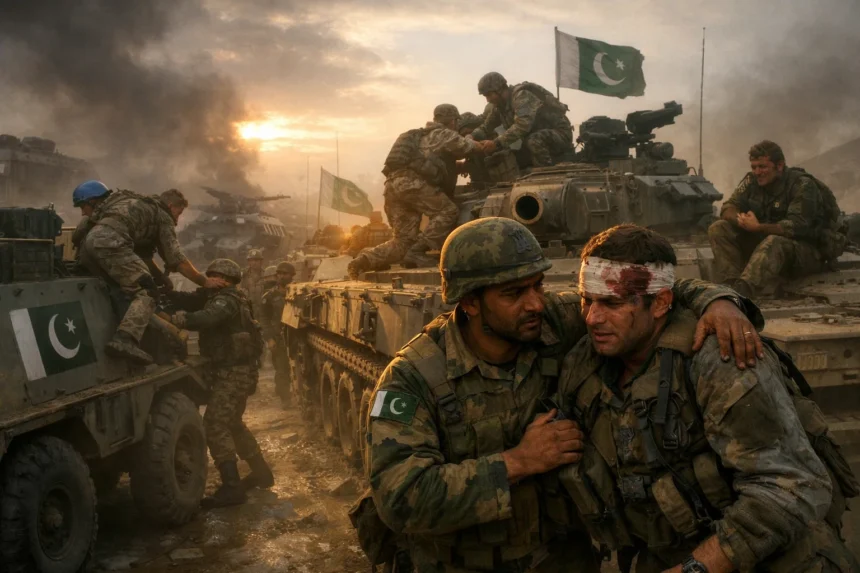
In the sweltering heat of October 3, 1993, the streets of Mogadishu, Somalia, turned into a deadly labyrinth of urban warfare. The city, ravaged by civil war and famine, was a powder keg of armed militias loyal to warlord Mohamed Farrah Aidid. Amid this turmoil, the United States launched Operation Gothic Serpent under Task Force Ranger—a bold mission to capture two of Aidid’s top lieutenants in the heart of the Black Sea district. What started as a precision raid quickly spiraled into one of the most intense battles in modern military history, known forever as the Battle of Mogadishu or “Black Hawk Down.”
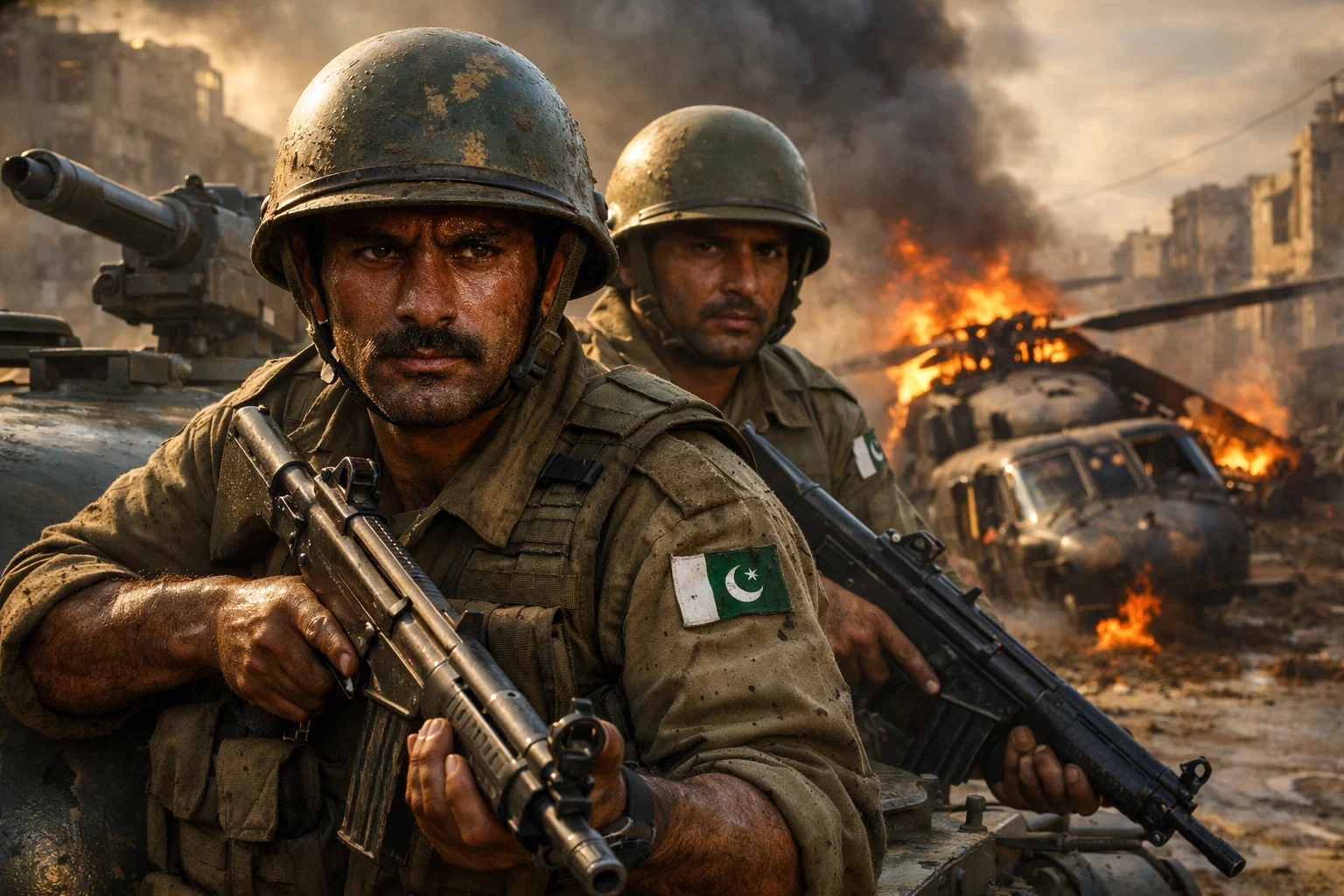
The operation began with promise. Elite U.S. Army Rangers and Delta Force operators fast-roped from MH-60 Black Hawk helicopters into the target building, securing the objectives in minutes. But as the ground convoy moved in to extract them, disaster struck. Somali militiamen, armed with rocket-propelled grenades (RPGs) and AK-47s, swarmed the area. The sky echoed with explosions as two Black Hawks—Super 61 and Super 64—were hit and crashed into the dusty streets below. The pilots and crew were either killed or captured, and the surviving Rangers found themselves pinned down in a hostile city teeming with thousands of armed fighters and civilians caught in the crossfire.
The problems were insurmountable. Mogadishu’s narrow alleys, lined with makeshift barricades of burning tires, wrecked vehicles, and debris, made navigation a nightmare. The intense Somali sun beat down relentlessly, dehydrating the soldiers as they fought for hours without respite. Communication lines crackled with desperation: “We’re surrounded! Taking heavy fire from all sides!” RPGs whistled through the air, detonating against walls and vehicles, while sniper fire picked off anyone who dared expose themselves. The U.S. forces, outnumbered and outgunned in this urban jungle, faced a relentless barrage. Wounded soldiers bled out in the dirt, and the night brought even greater terror—pitch-black darkness pierced only by tracer rounds and muzzle flashes. The situation was dire: without immediate rescue, the trapped Americans would be overrun.
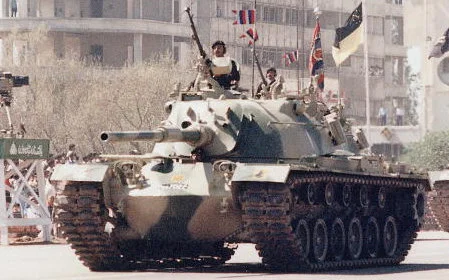
As the battle raged into the night, a multinational relief force assembled under the United Nations Operation in Somalia (UNOSOM II). But it was the Pakistani Army that stepped forward to lead the charge. Commanding M-48 Patton tanks from the 19th Lancers and supported by troops from the Frontier Force Regiment, the Pakistanis formed the spearhead of a armored convoy. This was no easy task; the convoy had to punch through miles of enemy-held territory, facing the same hellish conditions that had trapped the Americans. Behind them rolled Malaysian Condor APCs and U.S. troops from the 10th Mountain Division, but it was the Pakistani tanks that absorbed the brunt of the assault.
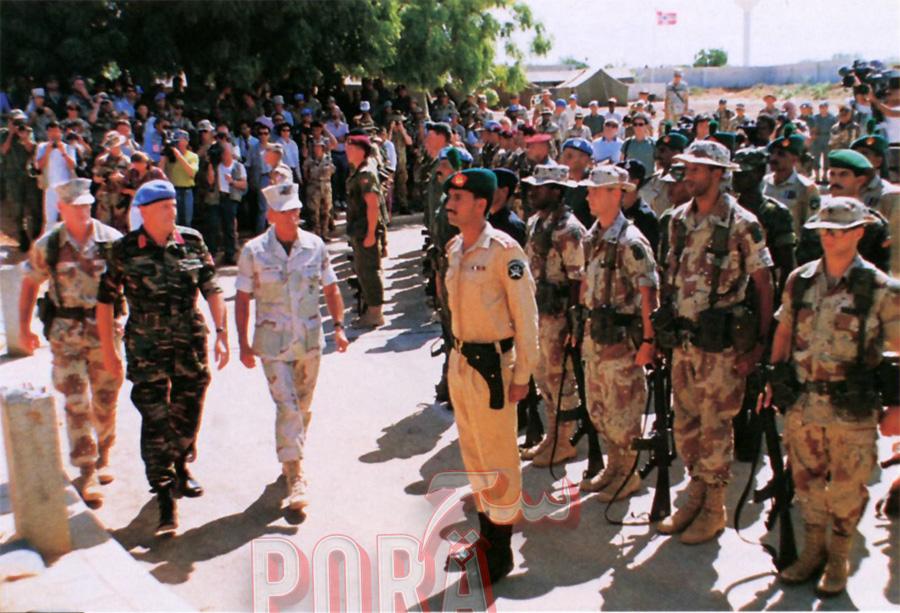
The roar of tank engines cutting through the cacophony of gunfire, as Pakistani soldiers maneuvered their heavy armor through barricaded streets. RPGs slammed into the tanks’ hulls, shaking the crews inside, but the Pattons pressed on, their 105mm cannons and 12.7mm machine guns blazing away at Somali positions. One Pakistani gunner, exposed in the turret, mowed down waves of attackers until he was struck down by enemy fire—becoming a martyr in the line of duty. Others were wounded, shrapnel tearing through flesh, yet they refused to falter. The convoy smashed through roadblocks, cleared sniper nests, and provided covering fire for the infantry to advance. Amid the choking smoke from burning vehicles and the acrid smell of gunpowder, the Pakistanis’ discipline and courage shone through. They navigated the chaos with precision, coordinating with UN forces to reach the crash sites despite constant ambushes.
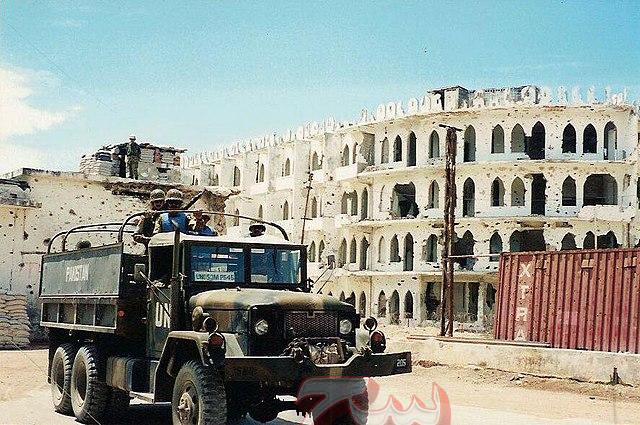
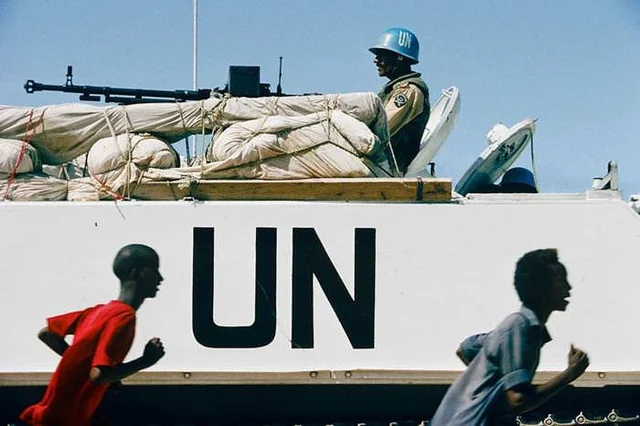
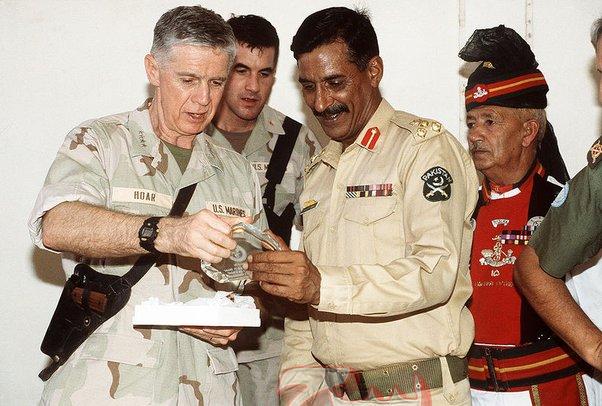
Finally, after a grueling push that lasted into the early morning of October 4, the convoy broke through. The trapped Rangers were evacuated, many owing their lives to the Pakistani-led effort. In total, the battle claimed 18 American lives, over 70 wounded, and hundreds of Somali casualties. For the Pakistanis, the cost was one soldier killed and two injured—but their sacrifice saved countless others. U.S. Major General Thomas M. Montgomery, commander of UNOSOM II’s Quick Reaction Force, later praised them unequivocally: “I take great pride in the bravery of the Malaysian and Pakistani soldiers. They played a pivotal role in rescuing the Americans.” This wasn’t just a rescue; it was a testament to international brotherhood in the face of adversity.
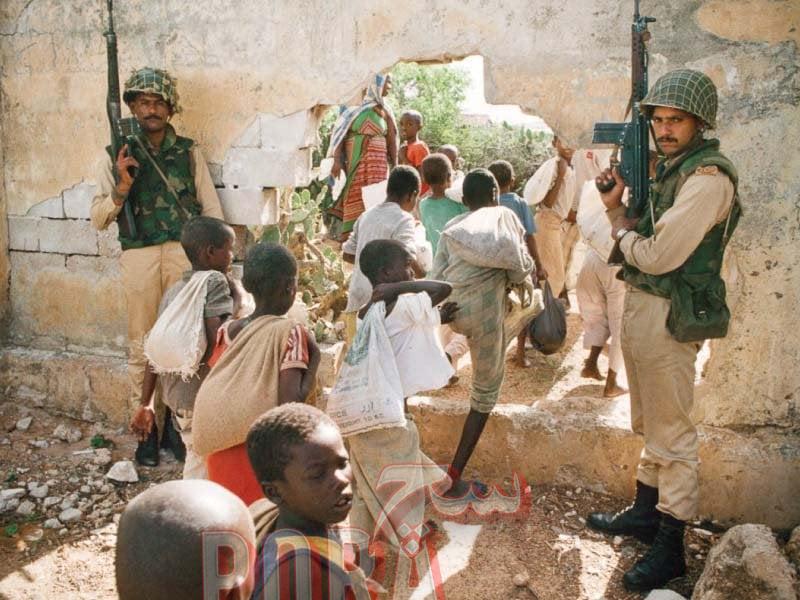
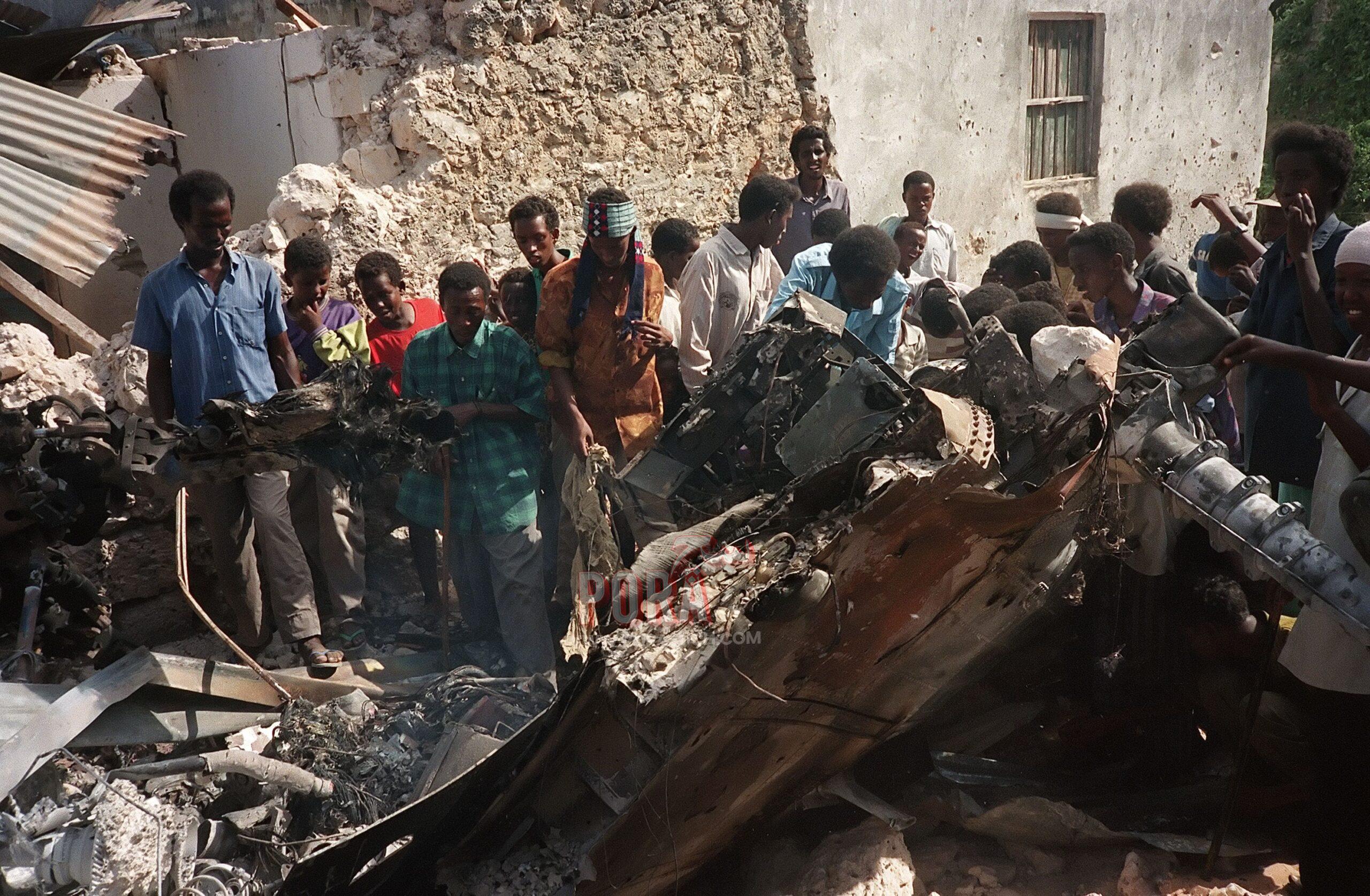
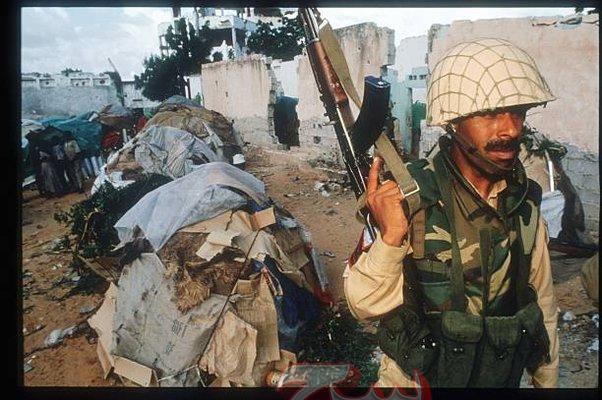
The Battle of Mogadishu exposed the harsh realities of humanitarian interventions: the fog of war, cultural misunderstandings, and the brutal cost of urban combat in a failed state. Equipment failures, like the vulnerability of lightly armored Humvees to RPGs, compounded the dangers. Political pressures back home led to a U.S. withdrawal, but the heroism on the ground endured. At the heart of this epic stands the Pakistan Army’s unwavering bravery—soldiers who ventured into the jaws of death not for glory, but for duty and humanity. Their actions that fateful night remain a beacon of valor, reminding the world that true heroes rise in the darkest hours.
Real References:
- According to Mark Bowden’s book Black Hawk Down: A Story of Modern War (1999) and the subsequent film adaptation, the Pakistani tanks from the 19th Lancers led the rescue convoy, clearing paths through heavy resistance.
- Wikipedia and official U.S. Army reports confirm that Pakistani M-48 tanks were instrumental in the operation, with one Pakistani soldier killed and two wounded during the convoy’s advance.
- General Montgomery’s commendation is documented in declassified UNOSOM reports, highlighting how the Pakistani and Malaysian forces’ armored support was crucial to extracting the Rangers from the crash sites.
This story of sacrifice and solidarity echoes through history—Pakistan Army Zindabad! 🇵🇰